
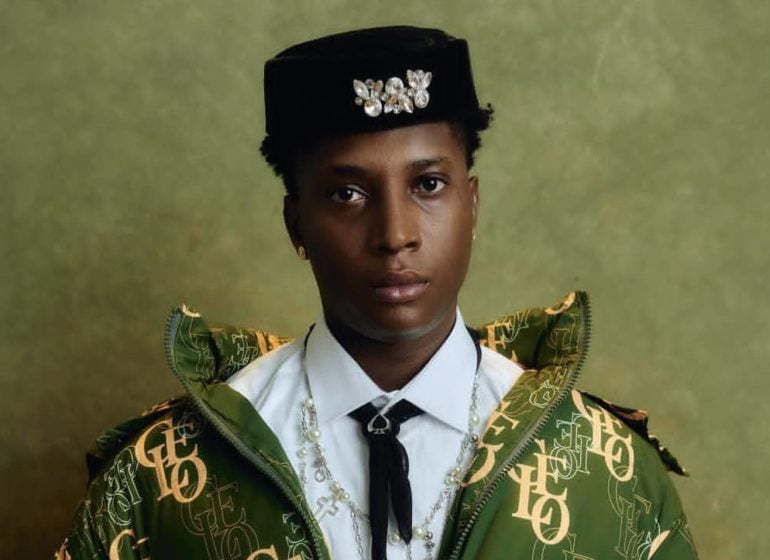
In Nigeria’s ever-evolving music scene, success is no longer just about chart-topping hits — it’s about ownership, freedom, and legacy. A new wave of artistes is stepping beyond the mic, transforming from performers into executives, building empires that empower both themselves and the next generation.
From Davido’s DMW to Olamide’s YBNL Nation and D’Prince’s Jonzing World, discovering Rema, Nigerian music stars are no longer waiting for opportunities; they are creating them.
Among these trailblazers is Bella Shmurda, the street-hop sensation who rose from hardship to become not just a voice of resilience but a leader shaping his own destiny.
Shmurda: The Boy from Ikorodu Who Refused to Be Silenced
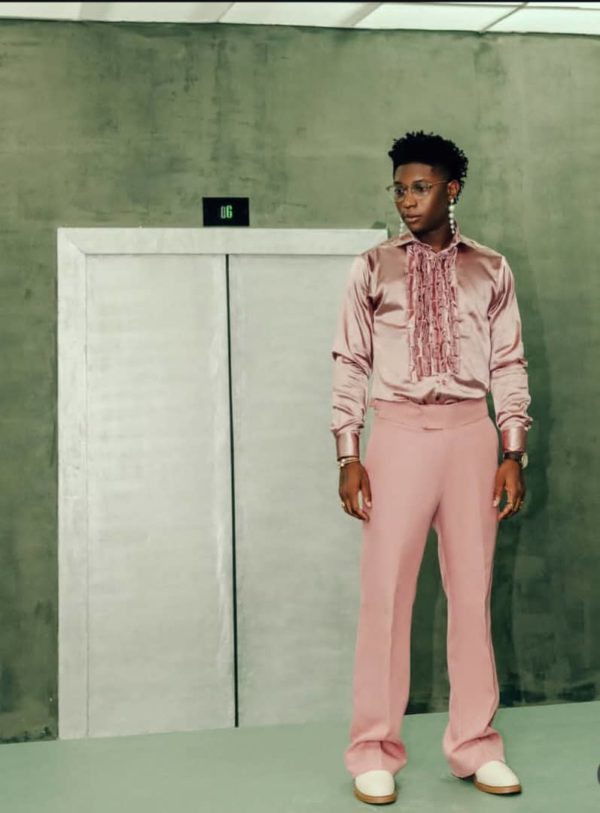
Born Abiola Ahmed Akinbiyi in the bustling Lagos suburb of Ikorodu, Bella Shmurda grew up as the youngest of ten children in a polygamous home. Life was tough, but music became his escape. Starting in his elementary school band and cultural troupe, he honed a sound that would later echo through Nigeria’s streets.
While studying History and International Relations at Lagos State University (LASU), Bella pursued music with relentless passion, drawing inspiration from his struggles, faith, and society’s realities. His big break came in 2019 when his friend, dancer Poco Lee, posted a viral video featuring his track ‘Vision 2020’. The buzz caught the attention of rap icon Olamide, who jumped on the remix, turning the song into a nationwide anthem. Almost overnight, Shmurda went from underground talent to a household name.
Hit after hit followed ‘Cash App’ with Zlatan and Lincoln, the ‘High Tension’ EP, and his debut album ‘Hypertension’, solidifying his place as one of Nigeria’s most authentic street-pop voices. His impact earned him accolades, including awards from The Headies and City People, and in 2021, he was selected for YouTube’s prestigious Foundry Programme, a global artiste development initiative. That same year, he performed at Wizkid’s Made in Lagos concert at London’s O2 Arena, proving his appeal stretched far beyond Nigeria.
But despite the success, Bella was fighting a silent battle — one that would redefine his journey.
Breaking Free: The Birth of Dangbana Republik
Behind the scenes, Bella was trapped in an unfavourable contract with One World Global Records. In a 2022 interview, he revealed the harsh realities: he had to pay N20 million to exit the deal just one year into a three-year agreement.
“I was very self-conscious of people just using me and making me sign papers that won’t favour me,” he said. “I would want to shoot a video, but they’d bring N500,000 and make me hustle N500,000. When sharing revenue, they still took the larger part of 70 per cent while I got 30.”
The experience was a painful lesson, but it fueled his next move. Free from constraints, Bella launched Dangbana Republik, an independent label and creative collective built on strength, community, and empowerment.
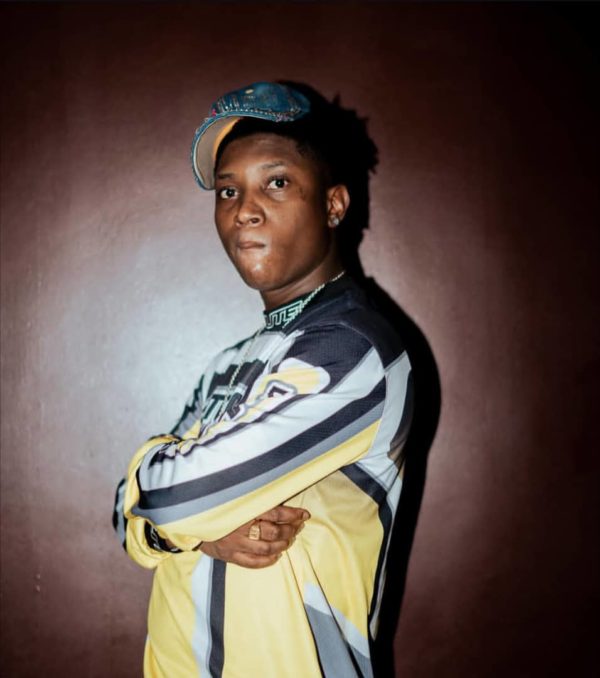
For Bella, Dangbana is more than a business; it’s a mission. Through the label, he has funded scholarships, organised food drives in Ojo, and supported underprivileged children, staying true to his roots while uplifting others.
In October 2024, he took another bold step, signing his first artiste Fola, to Dangbana Republik. But this wasn’t just a business deal; it was a mentorship.
“Fola complements my energy. He’s like a support system,” he said in an interview on Afrobeats Intelligence.
“I’m a street artiste; Fola has the international sound I’ve been trying to create. There are certain things I can’t give my fans, but Fola is here to give them that. He is part of why I’m doing music — to support young artistes that have good sounds.”
Fola has since released several hit songs like ‘Alone’, ‘Lost’, ‘Who Does That’, ‘Very Soon’, and ‘Get Better’, showing not just talent, but the promise of Dangbana’s future.
More Than Music
What makes Bella’s journey remarkable isn’t just that he broke free or started his own label. It’s that he’s using that freedom to redefine what it means to be an artiste.
“I’m not in the industry because my kind of music now is not for trend,” he said. “My purpose is uplifting people’s souls, making them aware of who they are, and helping them go through life with my music. I’m here to win souls.”
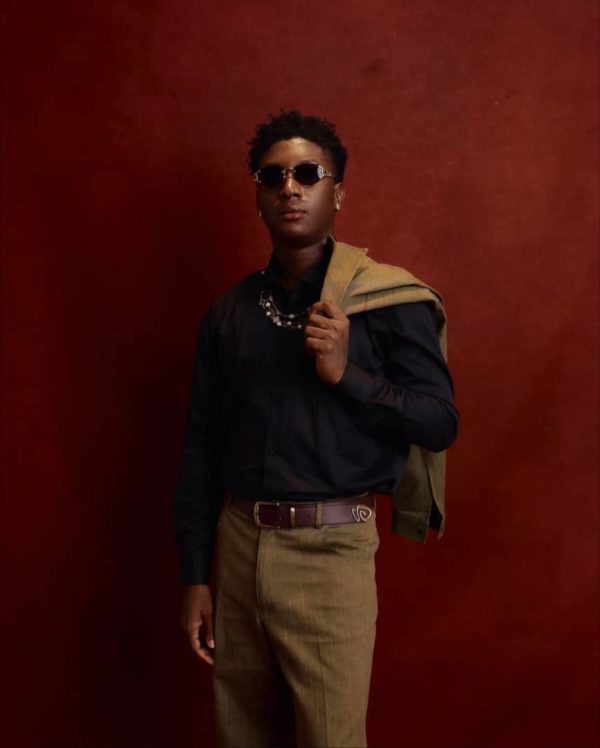
That sense of purpose now fuels his role as a label boss: mentoring, creating, and investing in artistes who have a story to tell.
Bella Shmurda’s story mirrors a larger trend in Nigeria’s music industry, where artistes are rejecting exploitative deals and opting for creative ownership. It’s a movement rooted in experience and driven by self-belief.
From Kizz Daniel’s Fly Boy I.N.C. to Zlatan’s Zanku Records, the rise of artiste-led labels is reshaping the industry. These are not vanity ventures; they are support systems, creative communities, and business entities with heart.
Copyright 2025 TheCable. All rights reserved. This material, and other digital content on this website, may not be reproduced, published, broadcast, rewritten or redistributed in whole or in part without prior express written permission from TheCable.
Follow us on twitter @Thecablestyle