

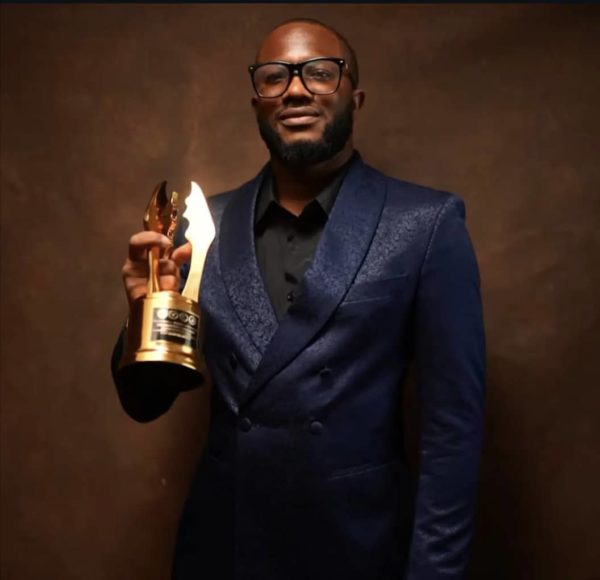
James Omokwe stands as a pivotal voice in the new wave of Nollywood, dedicated to crafting films that are deeply and authentically African. His work masterfully weaves history, culture, and cinematic spectacle, creating stories that resonate both at home and on the global stage. His latest epic ‘Osamede’ is the purest expression of this vision — a film that has transported international audiences from Cannes to France back into the rich tapestry of Edo history. In this interview with TheCable Lifestyle’s Muhibat Sulaimon, Omokwe opens up about the challenges of directing a cultural landmark, bridging the gap between Africa and its diaspora, and the structural changes Nollywood needs to unlock its full potential.
TheCable Lifestyle: Your filmmaking is known for its deep cultural roots. What is the core philosophy that guides your directorial style?
James: One of the paths I’ve stayed committed to over the years is telling authentically African stories. First, I make sure my stories are real, relatable, and rooted in our history. Growing up, many of us didn’t learn enough about our past, so I’m intentional about adding teachable moments that remind us where we come from and what we need to do as a people moving forward.
I’m also very deliberate about ensuring the actors deliver authentically, so when viewers watch, it feels real. That was the case with Osamede; people said it felt like a time machine, taking them back to 1897. Those are the pillars that guide my work.
I don’t want to tell stories that aren’t African, because the world still needs to see and understand Africa and Nigeria. If we don’t tell these stories, our culture will fade. Everyone is on their phones now, and many people no longer read history, so film is one of the strongest ways to keep our heritage alive.
TheCable Lifestyle: What was the most significant creative challenge you faced while directing ‘Osamede’, and how did you overcome it?
James: The biggest challenge was the language. I’m not from Edo and I don’t understand the language, but luckily the actors speak English, so communication itself wasn’t the problem. The challenge was ensuring the film stood strong as a full indigenous-language project and maintaining the right cultural balance, which wasn’t easy.
One thing that really helped was having a cultural consultant on set. He ensured everything was accurate and authentic. The synergy took some time to build, but having him there made the process smoother and helped us get it right.
TheCable Lifestyle: ‘Osamede’ garnered international acclaim at Cannes. What do you believe global audiences connected with most profoundly?
James: One of the things that happened in France when we screened the film was the conversations we had afterwards. People said it was refreshing to finally see African representation from Africans, so it felt more authentic than the versions they were used to, which were often African stories told through Western eyes. There was a lot of appreciation, and you could see people cheering about how the representation made them miss Africa and want to reconnect, similar to what ‘Black Panther’ did for some Black Americans. That was amazing to hear.
I think films like this help bridge the gap between the diaspora and Africa, especially for those who have never been to the motherland and want to experience the culture from a firsthand perspective. That is what Osamede offers, and I think that is what people love the most. It is getting a lot of attention in countries like Brazil and France simply because it is authentically African and authentically Nigerian.
TheCable Lifestyle: The cast delivered powerful performances in a non-native language. How did you, as a director, guide them to that level of authenticity?
James: I give kudos to the actors. I always say the director is just like a puppeteer; the people who deliver the performances are the real talent. All the actors brought their A-game as professionals, so it was easy for me to direct them. Ivie gave a stellar performance; there were many times we sat together to discuss a scene, and I wouldn’t have to say much before she went ahead. William Benson was the same. Most of them, however, had challenges because they were learning the language.
TheCable Lifestyle: How did you balance the need for historical accuracy with the demands of creating an entertaining cinematic experience?
James: When you’re representing another culture, one of the things you don’t want to do is misrepresent it, so a lot of research had to be done. One of the things in Osamede was extensive research. There was creative license since it’s fiction, but you still have to pay respect to the culture. There were times when my cultural consultant and I argued on set so we could find the right balance.
Granted, it’s a film, but some people criticise or get upset at the sight of a mistake, so we had to be careful and do right by these cultures. Some of these cultures can even be minor groups, so when portraying them to the world, appropriate representation is important. One of the key things my cultural consultant ensured was that we didn’t insult the culture.
TheCable Lifestyle: There was significant Oscar buzz around ‘Osamede’. What was your reaction when it wasn’t selected?
James: Honestly, I did feel somewhat about it. The Oscars committee must have had their reasons, which are valid, so I don’t feel entitled. For some reason, we didn’t make the cut, and that simply means we didn’t meet the criteria. But the point of the movie was never just an Oscar nomination. If that had happened, it would have been great, but the film is already in other festivals, including Cannes and a festival in Norway. The film is travelling; it’s doing what it needs to do. The goal was for people to see it, not necessarily to win an award.
TheCable Lifestyle: In your view, what is the single most important change needed for Nollywood to evolve into a global powerhouse?
James: For the industry to truly move forward, we need to industrialise Nollywood. Nollywood has not really figured out what our value chain is; we are still doing trial and error, and it’s a bit difficult. One of our biggest challenges is distribution, and I feel that’s the key that can lift the industry from where it is to where it needs to be. Once we understand customer patterns and behaviour and figure out how to deliver content to every demographic that consumes it, we will be in a good place.
There are people who can’t go to the cinema — how do we deliver content to them? There are people who can’t afford to pay for content, and others who would love to go to the cinema but don’t have the time — how do we cater to them? We need an end-to-end value chain across all aspects of content consumption, and if we can figure that out, the industry will move forward.
TheCable Lifestyle: With more child actors in prominent roles, what structures need to be in place to protect them?
James: I think this is a huge conversation. We do have guilds, but they are not active enough to support and protect these kids. Without these guilds, producers can easily take advantage of young actors, so we need guilds that can properly oversee them when they enter certain agreements, especially financial ones.
I know a young actress whose mum is her manager, so nobody cheats her, but not everyone can do that because it means dedicating your entire life to managing the child. This is where the guilds should come in to ensure kids get fair treatment, fair pay, and are not overworked.
TheCable Lifestyle: You’ve maintained a clean image in an industry where controversy is common. How have you been able to stay focused on your work and avoid public drama?
James: I think the only thing is probably that I’m not popular enough for you to be hearing drama about me, even though I’ve heard some rumours here and there. But I try not to put my personal business out there and just focus on my work. I’m not a flashy person; I’m always in my house, focused on building a legacy, so I don’t have time for beef with anyone. Even if something about me comes up on social media tomorrow, I won’t come out to explain anything. My mantra is simply to focus on my job.
TheCable Lifestyle: You’ve managed to maintain a very clean public image. How have you navigated an industry often filled with controversy?
James: Originally, I used to post a lot about myself and my family. As you grow, you become more exposed, and you realise you need to protect your family because the world is not kind. I put my son out there, but there are still so many things people don’t know. Even now, I don’t post him on my page as much because I want to protect him from the public.
I have to protect my space and my family because the world can devour you the minute you do something wrong, so for one’s sanity, it’s important to keep your private life private. Look at social media today — people talk about their marital issues, blogs carry it everywhere, and then the person ends up having to explain or even make an apology video.
TheCable Lifestyle: Who are the filmmakers or creatives that inspire you, and who are you looking forward to collaborating with in the future?
James: I’m actually inspired by everyone in Nollywood who is making strides. We are growing, and Nollywood isn’t like it this years ago, so I’m rooting for everyone. I don’t have anyone in particular. For collaborations, I’m open to everyone, but especially the young ones like Laura Awolowo and others who are doing great things.
TheCable Lifestyle: Looking ahead, what is the lasting impact you hope ‘Osamede’ will have on Nollywood and its audience?
James: I really want people to see the potential of what we can achieve here in Nollywood. For Nigerians, I want them to learn from the story and connect with their history. For outsiders, I want them to see that we can deliver production quality that doesn’t cost an arm and a leg — and I know we can do even better. That’s what I want people to take away.
Copyright 2025 TheCable. All rights reserved. This material, and other digital content on this website, may not be reproduced, published, broadcast, rewritten or redistributed in whole or in part without prior express written permission from TheCable.
Follow us on twitter @Thecablestyle