
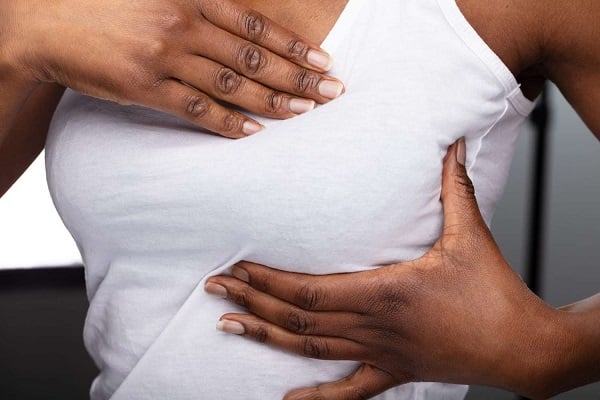
Breast cancer remains a growing global health challenge, particularly in developing West African countries like Nigeria, which recorded about 28,380 new cases in 2020, accounting for 22.7% of all cancer diagnoses.
Every October, the world turns pink as people unite to raise awareness about the disease. Yet, beyond the campaigns and hashtags, many misconceptions continue to thrive, fueling fear, delaying diagnosis, and discouraging life-saving screening.
Without further ado, here are some common myths about breast cancer that need to be discarded.
Myth 1: Only women get breast cancer
This is one of the biggest misconceptions. While the disease is far more common in women, men can also develop breast cancer, though it’s rare. According to the World Health Organization (WHO), 0.5 to 1% of all breast cancer cases occur in men. Since it’s often unexpected, diagnosis in men tends to come late. Raising awareness among men is just as important, especially for those with a family history of the disease.
Myth 2: Only women with a family history of breast cancer are at risk
Many people believe breast cancer is purely hereditary, but that’s not true. Having a family history only increases your risk; it does not guarantee you will develop it. In fact, research shows that only about 5 to 10% of breast cancer cases are hereditary. While the exact cause remains unclear, factors such as lifestyle choices, hormonal changes, and environmental influences can all contribute to its development.
Myth 3: Breast cancer always appears as a lump
While a lump is a common sign of breast cancer, it is not the only symptom. Many people assume that only lumps need attention, often relying solely on self-examination instead of regular mammograms.
Although self-examination is encouraged, it is also important to look out for other warning signs such as changes in breast size or shape, nipple discharge, persistent pain, redness, or dimpling of the skin. These can also indicate that something is wrong.
There are also misconceptions about what kinds of lumps are “safe,” such as “if it does not hurt, it is not cancer” or “if it moves around under the skin, it is harmless”.
Realistically, breast lumps can develop for many reasons including hormonal changes, cysts, or infections, an about 90% of breast lumps are non-cancerous according to research.
Still, if you notice a lump or any unusual change in your breasts, it is best to see a doctor for proper evaluation.
Myth 4: Wearing underwire bras or using deodorants causes breast cancer
Despite long-standing rumours, there is no scientific evidence that wearing bras, especially those with underwire, or using deodorants and antiperspirants increases the risk of breast cancer.
Some people believe that tight bras or chemicals in deodorants because they are applied close to the breast can cause cancer.
However, several studies have debunked this claim. In fact, a 2014 study involving over 500 women with breast cancer found no connection between bra-wearing habits and the disease.
Myth 5: Only older women get breast cancer
While age is a major risk factor, breast cancer is not exclusive to older women. According to the American Cancer Society, about 4% of invasive breast cancer cases are found in women under 40. Women of all ages should pay attention to their breast health, perform regular self-exams, and promptly report any unusual changes to a healthcare provider.
Myth 6: Mastectomy is the only treatment option
The fear of losing a breast often overwhelms many people after diagnosis. However, breast cancer treatment isn’t a one-size-fits-all process. Depending on the type, stage, and severity of the cancer, doctors may recommend a combination of treatments such as chemotherapy, radiation, hormone therapy, or targeted therapy. In many cases, the breast can be preserved.
A breast cancer diagnosis is not a death sentence. With early detection and advances in modern medicine, survival rates have improved greatly. That’s why it’s important to prioritize healthy living, regular check-ups, and prompt medical care when something feels off.
Copyright 2025 TheCable. All rights reserved. This material, and other digital content on this website, may not be reproduced, published, broadcast, rewritten or redistributed in whole or in part without prior express written permission from TheCable.
Follow us on twitter @Thecablestyle