
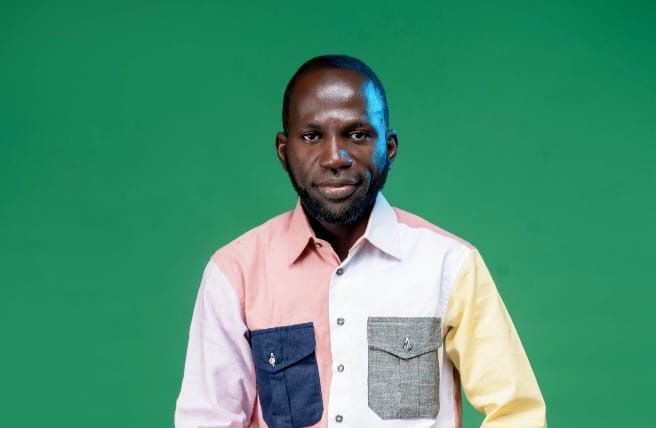
BY KEHINDE AJOSE
Pop culture is no longer just entertainment; it’s a global engine of visibility, PR, and influence. As S. H. Simmons explains:
“If a young man tells his date how handsome, smart and successful he is, that’s advertising. If the young man tells his date she’s intelligent, looks lovely, and is a great conversationalist, he’s saying the right things to the right person, and that’s marketing. If someone else tells the young woman how handsome, smart and successful her date is, that’s PR.”
In other words, how others perceive and amplify your story often matters more than what you say about yourself. Globally, brands, celebrities, and political figures leverage pop culture moments to capture attention, build credibility, and maintain relevance.
Our Stories Set the Global Pace
Having covered and studied the Nigerian creative sector for over a decade, I saw 2025 as the year we finally stopped looking outward for validation and started paying much attention to what we have within. The momentum was palpable; you could feel the ground shifting under our feet as our stories began dictating the global pace. This meant that the visibility battle was won not just by making great content, but by strategically creating conversations around it.
Detty December: Nigeria’s Ultimate Visibility Magnet
No discussion of Nigerian visibility would be complete without Detty December. Each year, Lagos, Abuja, and Accra transform into 24/7 cultural stages where concerts, fashion shows, beach parties, and brand activations become visibility powerhouses.
The season generated US $71.6 million in revenue across tourism, hospitality, and entertainment. This shows that visibility during Detty December carries real financial and strategic weight, making appearances, activations, and content drops more impactful than at any other time of year.
Top 7 Pop Culture Visibility Trends of 2025
1. Global-Local Fusion & The To Kill a Monkey Effect
The single most defining visibility trend was the success of Nigerian content on global platforms, proving that local realism is the new export. Kemi Adetiba’s crime thriller series, To Kill a Monkey, achieved global visibility by using a worldwide platform (Netflix) to interrogate raw, local issues (cybercrime, unemployment, cultural debt). I personally believe that Adetiba’s work finally destroyed the old Nollywood barrier; we are now in the business of selling high-quality, authentic Nigerian experience.
The success of To Kill a Monkey on Netflix proved that sophisticated, raw, and unapologetically Nigerian stories, delivered with international production polish, now command global attention, resetting the bar for what quality filmmaking means for the continent. My own analysis of the series on BellaNaija gained massive attention, underscoring how deeply media commentary now feeds into a project’s overall visibility.
2. Achievement-Driven Visibility & Community Amplification
Achievement-driven visibility remained powerful, but its success was measured by audience participation. Hilda Baci made history by cooking the largest Jollof rice, earning a Guinness World Record. Similarly, Tunde Onakoya’s 64-Hour Chess Marathon on April 20 dominated social media. I was most struck by how the Hilda Baci Jollof record transcended food; it became a fierce point of national pride, showing that national identity is now a high-visibility asset.
Achievement-driven visibility remained powerful in 2025, as seen when Tunde broke the Guinness World Record with a 64-hour chess marathon, and when Hilda Baci cooked the largest Jollof rice, instantly making them media favourites and national conversation starters amplified by community engagement.
3. The Dominance of Short-Form Video & Authenticity
The engine for music, film, and personality visibility was the short-form video ecosystem (TikTok/Reels), which prioritized raw, relatable authenticity over hyper-polished content. Omoni Oboli’s film Love in Every Word generated the nationwide “Achalugo” obsession—a visibility wave driven entirely by fans creating short, humorous skits and memes. From my perspective, the challenge is clear: if you can’t be interesting in 30 seconds, you can’t be relevant at all. We are living in a tyranny of attention, and the ‘Achalugo’ meme was its perfect demonstration.
In March 2025, Omoni Oboli’s Love in Every Word sparked the ‘Achalugo’ obsession, showing once again how Nollywood films set cultural tone and how user-generated short-form content launches visibility waves for actors. This can be seen in the visibility it gave Uzor Arukwe and Bambam.
4. Experiential Culture & Heritage Visibility
High-touch, immersive physical events created their own viral media ecosystems. The 2025 Ojude Oba Festival in Ijebu-Ode proved how culture drives modern visibility, becoming one of the most photographed and posted cultural events of the year due to its colourful regberegbe, high-fashion traditional outfits, and heavy influencer presence. What was most compelling to me at Ojude Oba was how the attendees themselves became the marketing arm. This wasn’t a corporate event; it was a powerful reminder that culture is the ultimate influencer.
The 2025 Ojude Oba Festival in Ijebu-Ode also proved how culture can drive modern visibility, becoming one of the most photographed and posted cultural events of the year, transforming heritage into high-value social content.
5. Personal Milestones as Branding Opportunities
Personal celebrity milestones continued to act as powerful visibility stages, heavily monetised through luxury branding and aesthetics. Priscilla Ojo’s #JP2025 wedding to Juma Jux dominated Instagram and TikTok, while Vee Kee James’ June 9 birthday trended widely. These moments proved that life events are now meticulously planned, including branding and content drops.
Influencer culture peaked with Priscilla Ojo’s #JP2025 wedding, a spectacle that dominated social media, reinforcing those personal milestones double as high-visibility, luxury branding opportunities, as did Vee Kee James’ viral June 9 birthday showcase.”
6. Celebrity Scandal as Visibility Accelerator
Controversy, when strategically managed, remained a powerful accelerator of attention. The Burna Boy–Sophia Egbueje Lamborghini drama flooded timelines. Similarly, the divorce announcement between 2Baba and Annie Idibia became one of 2025’s biggest visibility shockwaves, completely taking over social and entertainment media for days.
Controversies still served as visibility accelerators, like the Burna Boy–Sophia Egbueje Lamborghini drama that flooded timelines. One of 2025’s biggest visibility shockwaves came from 2Baba and Annie’s divorce announcement, a moment that completely took over social and entertainment media.
7. The Infrastructure Narrative
A less flamboyant but highly strategic trend was the visibility generated by major infrastructure announcements in the creative sector. Projects like the proposed Lagos Film City (Kebulania) and the renovation of the National Theatre attracted global institutional investment and training partnerships. Citation: “Announcements surrounding major projects like the Lagos Film City created visibility around the future of the creative economy, attracting global partners and reinforcing Nigeria’s commitment to world-class creative infrastructure.”
The 2026 Mandate: Seven Strategic Takeaways for Brands
From the seven strategic takeaways listed below, the one I am most insistent on for 2026 is this: Brands must stop being tourists in Nigerian culture. If you are not co-creating, if you are not embedded in the purpose, your visibility will be fleeting. The Nigerian audience is too smart, and the global content machine is too fast for anything less than deep, genuine commitment.
1. Prioritize Cultural Depth Over Surface-Level Relevance
Focus on hyper-local, nuanced storytelling (like the themes in To Kill a Monkey). Authenticity builds trust, and trust is the new currency.
2. Shift Budget from Polished Ads to Authentic Micro-Content
Embrace the “rough cut” and the “relatable skit.” Invest in a fleet of micro- and nano-influencers whose content is designed to be remixed by the audience.
3. Design Experiences That Become Digital Currency
Every physical event must be designed as a viral content machine. Organize immersive, highly shareable moments (like those at Ojude Oba or Detty December) where the true ROI is the digital afterlife—the immediate, widespread UGC sharing.
4. Integrate Social Commerce Directly into Content
Implement “shoppable videos” on Reels and TikTok and treat social channels not just as marketing feeds, but as high-speed storefronts driven by real-time engagement.
5. Co-Create and Collaborate to Expand Reach
Seek out strategic, cross-industry partnerships that expand your brand’s narrative. Co-branded efforts allow you to tap into a partner’s established audience and credibility.
6. Embed Purpose and Transparency into the Brand DNA
Define a clear brand purpose aligned with a major societal issue (e.g., youth skill development). Use your visibility to showcase the actions you take, turning an ethical commitment into a powerful, trust-building tool.
7. Build Internal Speed for Trend Catching
Restructure internal marketing teams to prioritize speed and decentralized decision-making. Empower a small team to rapidly create, edit, and publish content that responds to a viral trend (like the “Achalugo” obsession) within hours to capture the cultural zeitgeist.
Copyright 2025 TheCable. All rights reserved. This material, and other digital content on this website, may not be reproduced, published, broadcast, rewritten or redistributed in whole or in part without prior express written permission from TheCable.
Follow us on twitter @Thecablestyle